Overview
The French Bulldog has become one of the most popular city dogs on earth: small enough for an apartment, sturdy enough to feel like a real dog, and bred for one job — companionship. Its bat ears, flat face, and comical expressions hide a bright, adaptable dog that wants to be wherever its people are, preferably on the sofa.
Temperament & personality
Frenchies are affectionate, mischievous, and notably attached to their humans; many dislike being left alone for long hours. They are smart but can be stubborn, responding best to short, fun, reward-based training. Most are friendly with strangers and easygoing with other dogs.
Appearance
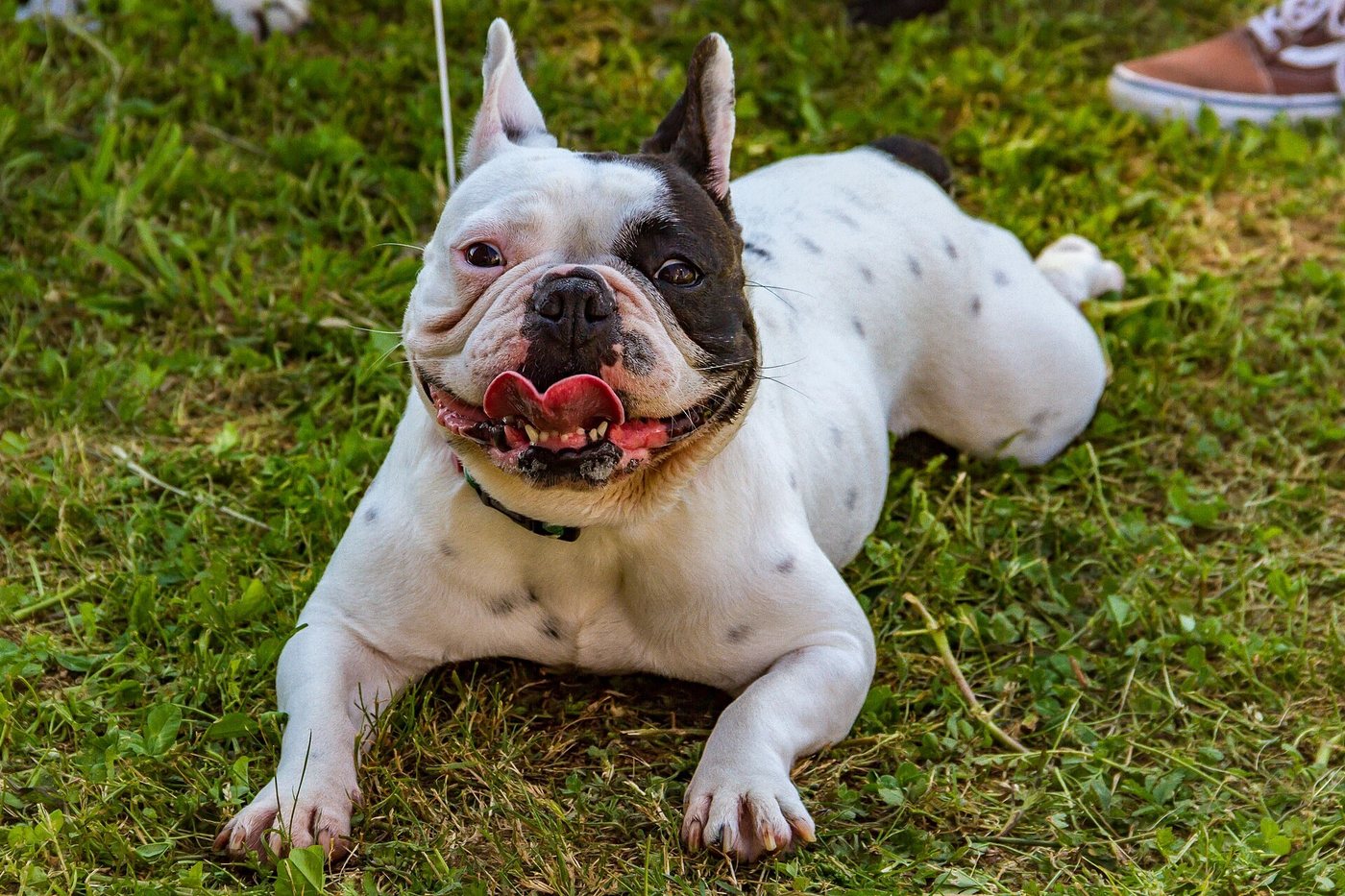
A muscular, compact dog with a short smooth coat, a large square head, and the signature upright 'bat' ears. Colours include fawn, cream, brindle, and pied. The flat (brachycephalic) face is central to the breed's look — and to its main health caveats.
Care & daily life
Keep exercise moderate: a couple of short walks and play sessions totalling about an hour a day. Heat is this breed's enemy — flat faces cannot cool efficiently, so avoid exertion on hot days and never leave one in a warm car. Clean and dry the skin folds regularly, watch weight carefully, and note that Frenchies cannot swim: never leave one near water unattended.
Health & lifespan
The French Bulldog is generally known for the following health watch-points:
- Brachycephalic obstructive airway syndrome — breathing difficulties from the flat face and narrow airways
- Heatstroke risk, closely tied to the airway issue
- Spinal conditions such as hemivertebrae and intervertebral disc disease
- Skin fold dermatitis, allergies, and eye problems including cherry eye
Living with a French Bulldog
One of the best apartment dogs available: quiet, small, and undemanding of space. Ideal for city dwellers, singles, and families — as long as someone is home a good part of the day and summers are managed carefully in hot climates.
History
Despite the name, the breed's roots are in Nottingham, England, where lace workers kept toy bulldogs. When the lace industry moved to France in the 1800s, the little dogs went along and were crossed with local breeds, producing the Bouledogue Français that became a fixture of Parisian café society.