Overview
The British Shorthair is Britain's classic cat: solid, round, plush-coated, and serenely self-possessed. Bred from the country's hardy street and farm cats, it kept their sturdiness and added an unbeatable teddy-bear look. This is the cat for people who want affection without neediness — a calm companion that is happy beside you, not on top of you, and that takes household life entirely in its stride.
Temperament & personality
Calm, tolerant, and quietly affectionate. British Shorthairs are not lap cats and generally prefer four paws on the floor, but they bond deeply, follow their people at a dignified distance, and are famously good-natured with children and other animals. Kittens are playful; adults settle into an easygoing routine with bursts of silliness that belie their stately appearance.
Appearance
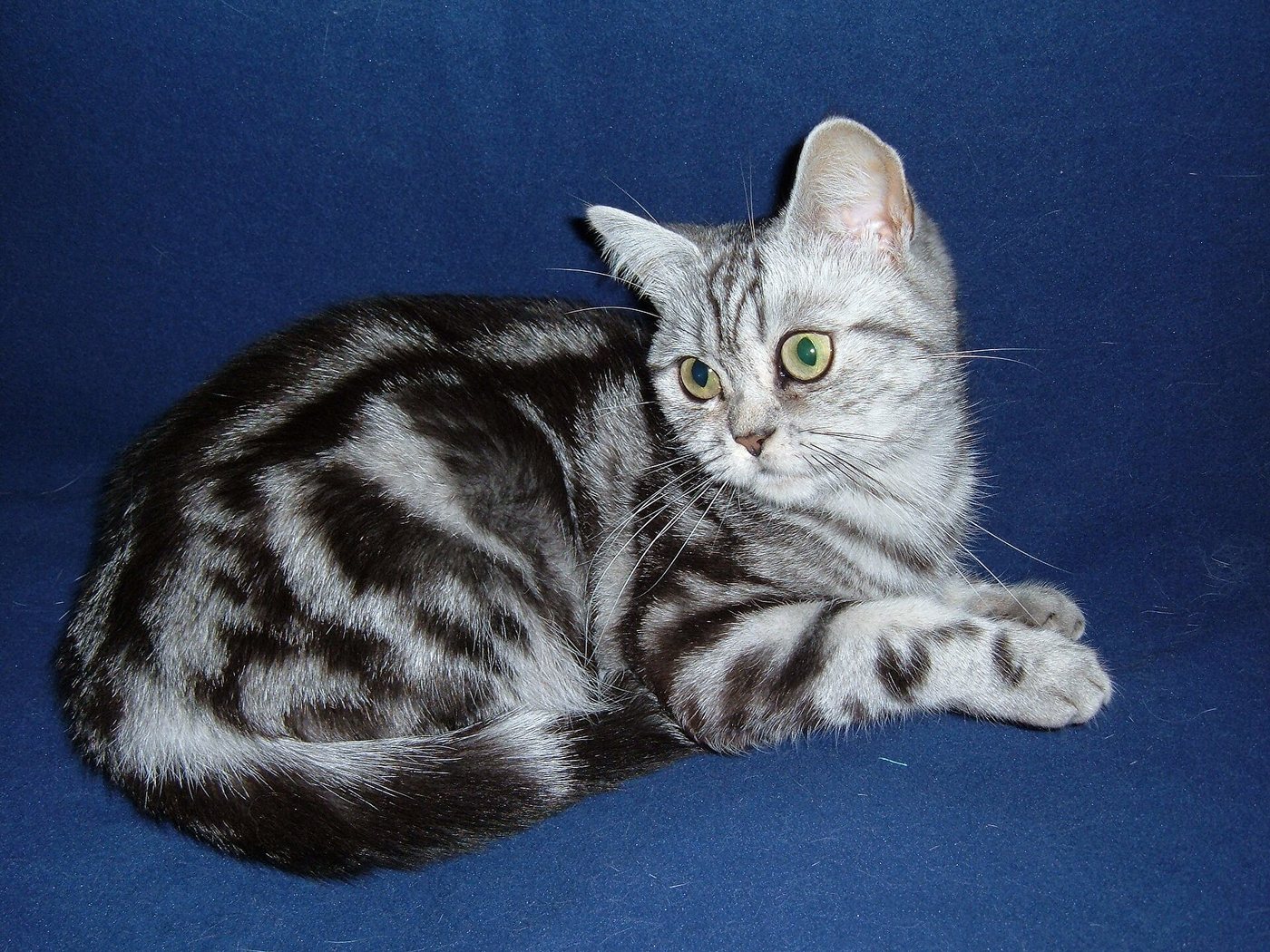
The British Shorthair is the teddy bear of the cat world: a compact, chunky, powerful body, a round head with full cheeks and large round copper or gold eyes, small ears, and an exceptionally dense, plush 'crisp' coat that stands away from the body. Blue-grey is the classic colour — the 'British Blue' — but the breed comes in nearly every colour and pattern, including tabby, colourpoint, and silver shaded.
Care & daily life
The plush coat needs a weekly brush, stepped up during the heavy spring shed when the dense undercoat comes out in volume. British Shorthairs are undemanding cats: a couple of play sessions a day, a sturdy scratching post, and a window seat cover most needs. The big management issue is food — this breed converts calories to cat with enthusiasm, so measured meals and weight checks matter.
Health & lifespan
The British Shorthair is generally known for the following health watch-points:
- Hypertrophic cardiomyopathy (HCM) — occurs in the breed, particularly in males; ultrasound screening of breeding cats is recommended
- Polycystic kidney disease (PKD) — introduced through historical Persian crosses; DNA testing is available and widely used
- Haemophilia B — an inherited bleeding disorder found in some British Shorthair lines; a DNA test exists, especially relevant for breeding males
- Obesity is the breed's everyday health risk and drives diabetes and joint strain
- Overall a hardy breed with comparatively few inherited problems when screening is done
Living with a British Shorthair
British Shorthairs suit almost any calm home: apartments, families, singles, and first-time owners. They are independent enough for working households yet affectionate in company, and they get along well with respectful children and other pets. They dislike chaos and being manhandled, and repay a peaceful routine with years of placid companionship.
History
The British Shorthair descends from the ordinary working cats of Britain — many of them traced, by tradition, to cats brought by the Romans — refined in the late 1800s by Harrison Weir, the father of the cat fancy, who championed the sturdy blue shorthair at the first cat shows. Two world wars nearly wiped the breed out; breeders rebuilt it with outcrosses including Persians, which added the plush coat and some of today's colours (and the need for PKD screening). The CFA recognised the breed in 1980, and it is now among the most popular breeds in Britain and worldwide.