Overview
The Alaskan Klee Kai packs the Northern spitz formula — mask, prick ears, plumed tail, cleverness, and a talkative streak — into a dog that can weigh under ten pounds. Bred purely as a companion, it is intense about the job: devoted to its family, reserved to the point of suspicion with strangers, and busy from dawn to dusk. It is a specialist's companion dog, best matched with owners who actively enjoy a smart, vocal, slightly feral housemate.
Temperament & personality
Intelligent, quick, and watchful. Klee Kais track everything happening in the house and comment on much of it. With family they are affectionate and playful; with strangers, typically aloof or shy, which makes early socialization the single most important puppy project. They are sensitive dogs who bond closely, notice routine changes immediately, and can be anxious if under-socialized or left alone too much.
Appearance
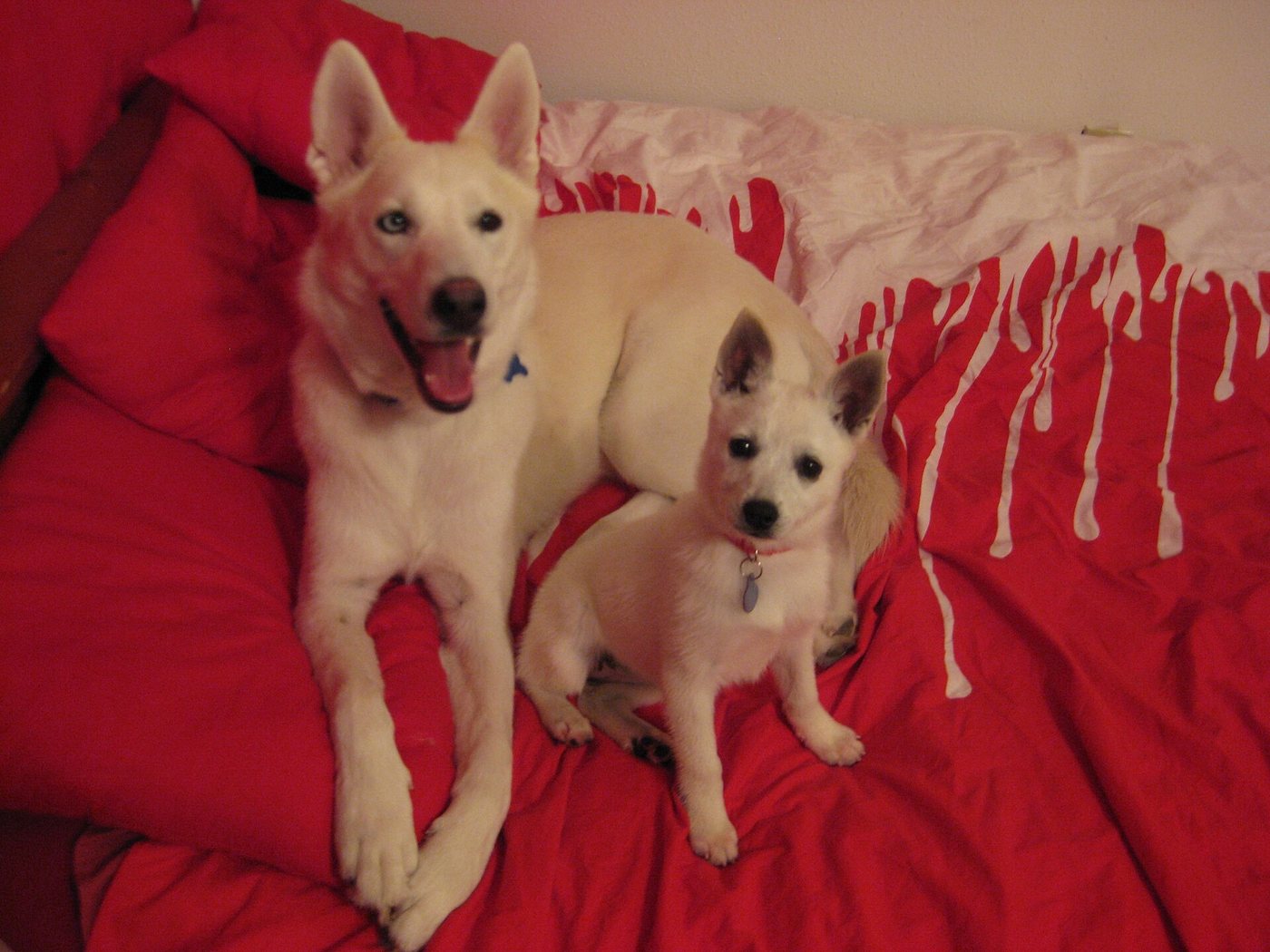
A husky in miniature: erect ears, a striking facial mask, almond eyes (sometimes one blue and one brown), a double coat in black, grey, or red with white markings, and a tail carried curled or plumed over the back. Three sizes — Toy, Miniature, and Standard — share the same sharp, foxy look, with facial markings that make every dog look slightly masked and quizzical.
Care & daily life
Despite the size, this is a high-drive dog: plan on one to one and a half hours of exercise and play a day, plus training and puzzle work for a very quick mind. They are famously vocal, 'talking' with woo-woos and commentary, which apartment dwellers should consider. Brush weekly, more during coat blows. Because the breed is young and the gene pool small, buy only from breeders who health-test — ask specifically about patellas, thyroids, and Factor VII.
Health & lifespan
The Alaskan Klee Kai is generally known for the following health watch-points:
- Patellar luxation
- Autoimmune thyroiditis
- Factor VII deficiency, a usually mild blood-clotting disorder identified in the breed (DNA-testable)
- Portosystemic shunt (liver shunt) occurs more often than average
- Cardiac conditions and juvenile cataracts are also monitored by breeders
Living with a Alaskan Klee Kai
Klee Kais suit owners who want a big-dog temperament in a portable body — hikers, sport trainers, and spitz lovers. They can live in apartments if exercise and mental needs are met, though their voice counts against thin walls. They bond hard to their families, tolerate being left alone poorly, and are escape artists of surprising talent; secure fencing and leashes are non-negotiable around their strong prey drive.
History
The breed was created in Wasilla, Alaska, beginning in the 1970s by Linda Spurlin, who wanted the look of the huskies she loved in a companion size. She selectively bred Alaskan Huskies, Siberian Huskies, and smaller spitz breeds, fixing the type over two decades before releasing dogs to the public in the late 1980s. The name comes from an Inuit phrase meaning 'small dog.' The United Kennel Club recognized the breed in 1997, and the AKC admitted it to the Foundation Stock Service in 2020.