Overview
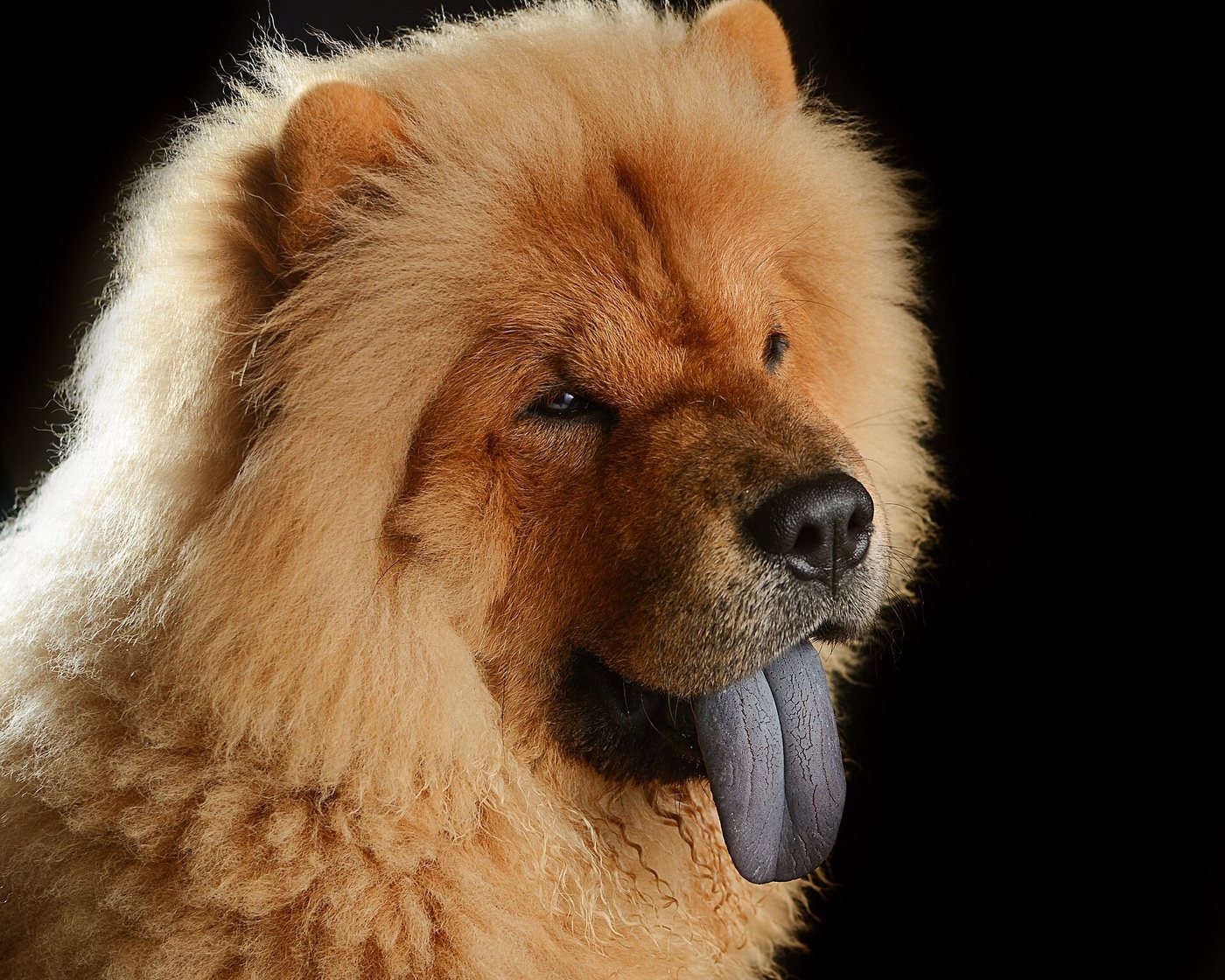
The Chow Chow is one of the world's most ancient and distinctive breeds: a compact, powerful dog wrapped in a profuse lion-like coat, with a scowling expression, a stilted gait, and the famous blue-black tongue shared with almost no other breed. Developed in China over many centuries as a hunter, herder, and guard, the Chow is by nature reserved, independent, and intensely loyal to its own family — a dog that gives its affection deliberately rather than to everyone it meets.
Temperament & personality
Dignified, aloof, and cat-like is the standard description, and it is accurate: Chows are typically reserved with strangers, intolerant of fuss from people they do not know, and quietly devoted to their household. They are not naturally aggressive, but poor socialization can turn natural reserve into suspicion, so extensive, gentle socialization from puppyhood is essential. Chows are clean, quiet, and independent at home, and they form particularly strong bonds with one person.
Appearance
A sturdy, square-built dog with a massive lion-like ruff around the head and shoulders, small triangular ears nearly hidden in the fur, and deep-set eyes that give the characteristic scowl. The abundant double coat — rough or smooth — comes in red, black, blue, cinnamon, and cream. Unique markers include the blue-black tongue and mouth, and hind legs so straight they produce the breed's stiff, stilted walk.
Care & daily life
Keep exercise moderate and gentle: 45 minutes to an hour of walks a day, in the cool hours, because the heavy coat and short face make Chows vulnerable to heat. The coat needs brushing two to three times a week down to the skin to prevent matting, and it sheds heavily seasonally. Training should be patient and reward-based, started early, with socialization treated as the single most important project of the dog's first year. Never use harsh or confrontational methods with this breed.
Health & lifespan
The Chow Chow is generally known for the following health watch-points:
- Hip and elbow dysplasia occur at notable rates
- Entropion — eyelids rolling inward — is common and often needs surgical correction; eye health should be checked in puppies
- Hypothyroidism and autoimmune thyroid disease occur more often than average
- Bloat (gastric torsion) is a risk in this deep-chested breed
- Heatstroke risk from the heavy coat and relatively short muzzle — manage summers carefully
Living with a Chow Chow
Chows suit calm, experienced households — typically adults and families with older children — who respect an independent dog's boundaries and will invest in socialization. They are quiet, clean apartment-capable dogs given daily walks and cool living conditions. They are a poor choice for owners wanting an effusively friendly dog, for homes with constant young visitors, and for hot climates without air conditioning.
History
The Chow is among the oldest recognizable dog breeds: images resembling it appear on Han dynasty pottery from over 2,000 years ago, and Chinese records describe a powerful, lion-like dog used for hunting, herding, pulling, and guarding. One Tang emperor reportedly kept thousands. The breed reached England in the late 1700s (the name may come from 'chow chow,' pidgin for miscellaneous cargo), became a Victorian fashion — Queen Victoria kept one — and was recognized by the AKC in 1903.