Overview
The Otterhound is a great shaggy relic of the English riverbank: a scent hound built to follow otters through water all day, with the webbed feet, oily coat, and booming voice for the job. Since otter hunting's ban, it has become one of the rarest breeds on Earth — and, by most accounts, one of the sweetest. Amiable, boisterous, and gloriously unkempt, the Otterhound is a big-hearted companion for people with space, humour, and a tolerance for baying.
Temperament & personality
Amiable, even-tempered, and quietly comical. Otterhounds are typically friendly with everyone, good with children and other dogs, and far more easygoing at home than their size and voice suggest. Independence is the trade-off: this is a nose with a dog attached, and training means persuading that nose there is something better than the trail. They are sensitive to harsh handling and thrive on routine and companionship.
Appearance
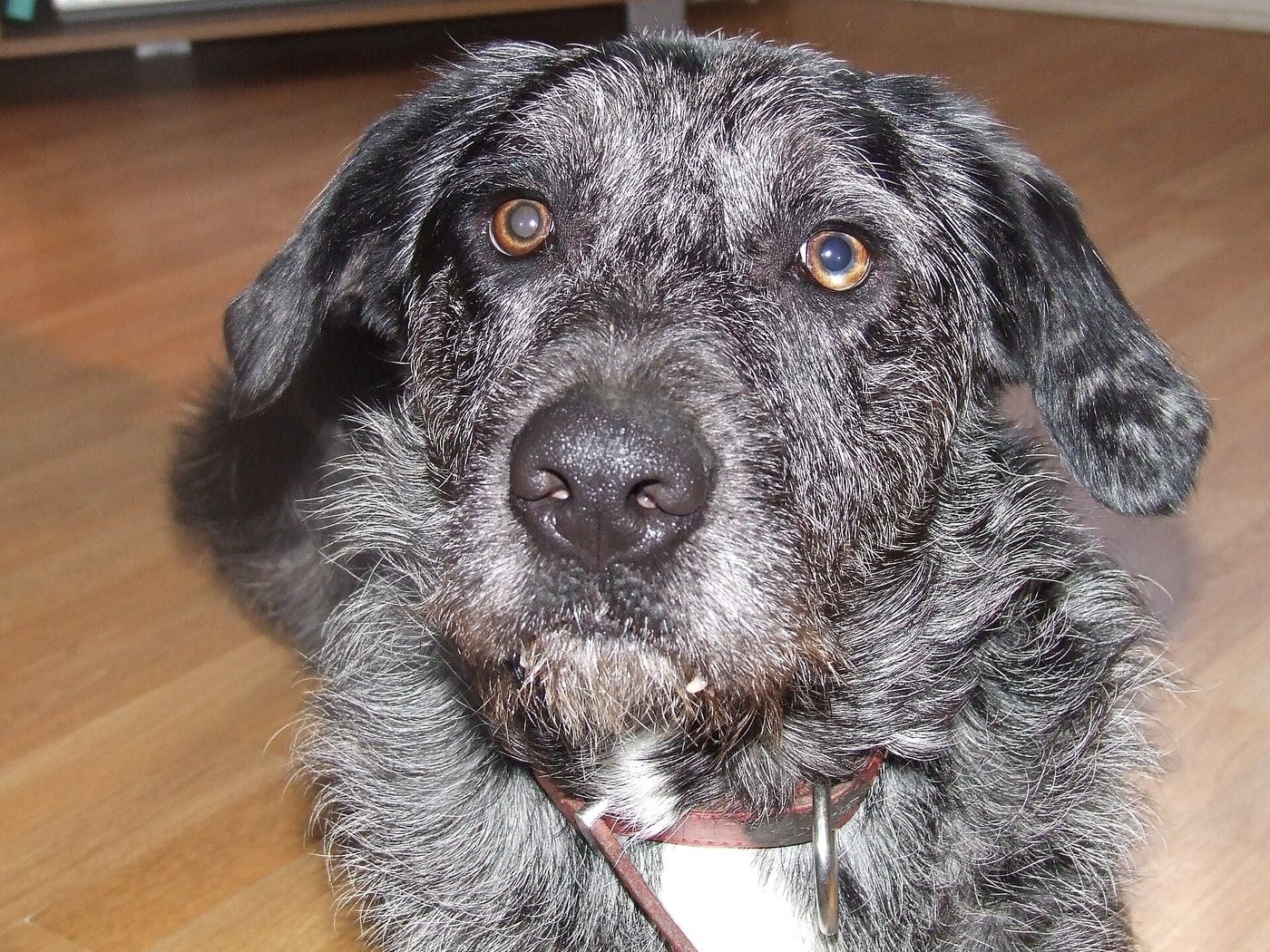
A big, shaggy, amiable hound with a long head, pleading brown eyes, low-set ears, and a rough, oily double coat in muted mixes of grey, tan, wheaten, and blue. Webbed feet — rare in a hound — betray its water-working past, and the tousled beard and moustache give it the air of a friendly old fisherman. No other breed looks quite like it.
Care & daily life
One to one and a half hours a day, with as much scent work as you can invent — an Otterhound's nose needs a job, and a bored nose finds its own entertainment. Fenced space is essential: a trail can carry this dog miles in cheerful deafness to your calls. The rough coat needs weekly brushing and the beard needs washing; the ears need regular checks. Accept the breed truths: a baying voice that carries, a houndy odour to the coat, and enthusiastic messiness around water bowls.
Health & lifespan
The Otterhound is generally known for the following health watch-points:
- Hip dysplasia — hip scoring matters in the small breeding pool
- Bloat (gastric dilatation-volvulus), as in other large, deep-chested breeds
- Glanzmann thrombasthenia — a platelet bleeding disorder, DNA-testable in this breed
- Epilepsy is reported; ask breeders openly about it
- Ear infections and sebaceous cysts under the heavy coat
Living with a Otterhound
Otterhounds need rural or suburban homes with space, secure fencing, and people who find a singing, shaggy, slightly smelly 100-pound hound charming rather than alarming. They are sociable pack dogs that dislike long isolation. Ownership is also an act of conservation — every well-bred puppy helps one of the world's rarest breeds persist — but be ready for a long search and breeders who interview you thoroughly.
History
Otter hunting with hounds is recorded in England from the medieval period — packs protected fishponds and rivers from otters for centuries, and by the 1800s specialised kennels had fixed the Otterhound type: Bloodhound nose, rough water-shedding coat, webbed feet. When otter hunting was banned in Britain in 1978 to protect otters, the packs dispersed and the breed began its long slide toward rarity; it now sits on the UK's Vulnerable Native Breeds list.