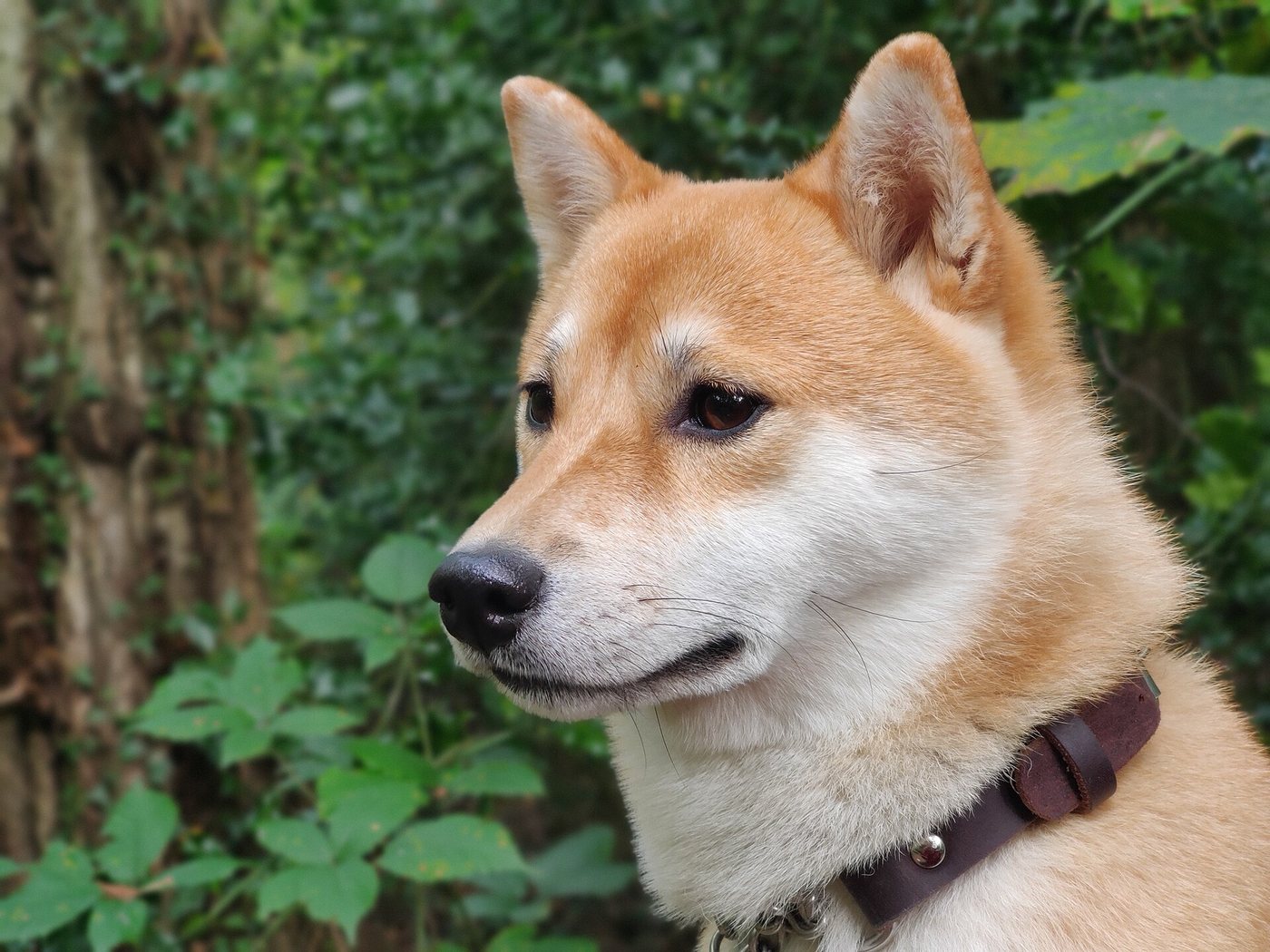
Overview
The Shiba Inu is Japan's beloved small spitz: an ancient hunting dog of the mountains, shrunk to apartment size but never domesticated in spirit. Shibas are famously independent, clean to the point of being cat-like, and loyal in a reserved, undemonstrative way. Owning one is less like having a pet that adores you and more like sharing your home with a small, dignified roommate who has chosen you.
Temperament & personality
Alert, bold, and self-reliant. Shibas bond deeply to their people but are typically aloof with strangers and selective with other dogs. They are intelligent and strong-willed, which makes training a negotiation — they learn fast, then decide whether your request outranks their plans. Early socialisation is essential, particularly around children, other dogs, and handling, because a Shiba's default answer to pressure is refusal.
Appearance
A compact, muscular dog with a foxy face, erect triangular ears, dark almond eyes, and a tail curled tightly over the back. The dense double coat stands off the body and comes in red, black and tan, sesame, or cream — red is the classic. Everything about the Shiba reads clean, neat, and self-contained.
Care & daily life
Give about an hour of exercise a day — walks and play in a securely fenced area, because an off-leash Shiba with somewhere to be will simply go there. Recall training helps but should never be fully trusted outdoors. The coat sheds moderately most of the year and heavily twice a year; brush weekly, daily during the blow-outs. Shibas are fastidiously clean and groom themselves like cats, so bathing is rarely needed.
Health & lifespan
The Shiba Inu is generally known for the following health watch-points:
- Allergies and skin issues are the breed's most common everyday complaint
- Glaucoma and cataracts — eye screening matters in this breed
- Patellar luxation occurs at moderate rates
- Hip dysplasia occurs less often than in many breeds but is screened for
- Hypothyroidism is seen occasionally
Living with a Shiba Inu
Shibas suit quiet, consistent households — often singles, couples, and cat people who want a dog with boundaries. They adapt well to apartments if exercised, and they are famously clean and quiet housemates. First-time owners can succeed, but only if they respect that this breed is a partner, not a subordinate.
History
The Shiba is one of Japan's six native spitz breeds and the smallest of them, used for centuries to hunt small game and birds in the steep, brushy mountains of Japan — 'shiba' is an old word for brushwood, and 'inu' simply means dog. The breed nearly vanished during the Second World War; survivors from three regional lines were combined to rebuild it, and the modern Shiba descends from that rescue.