Overview
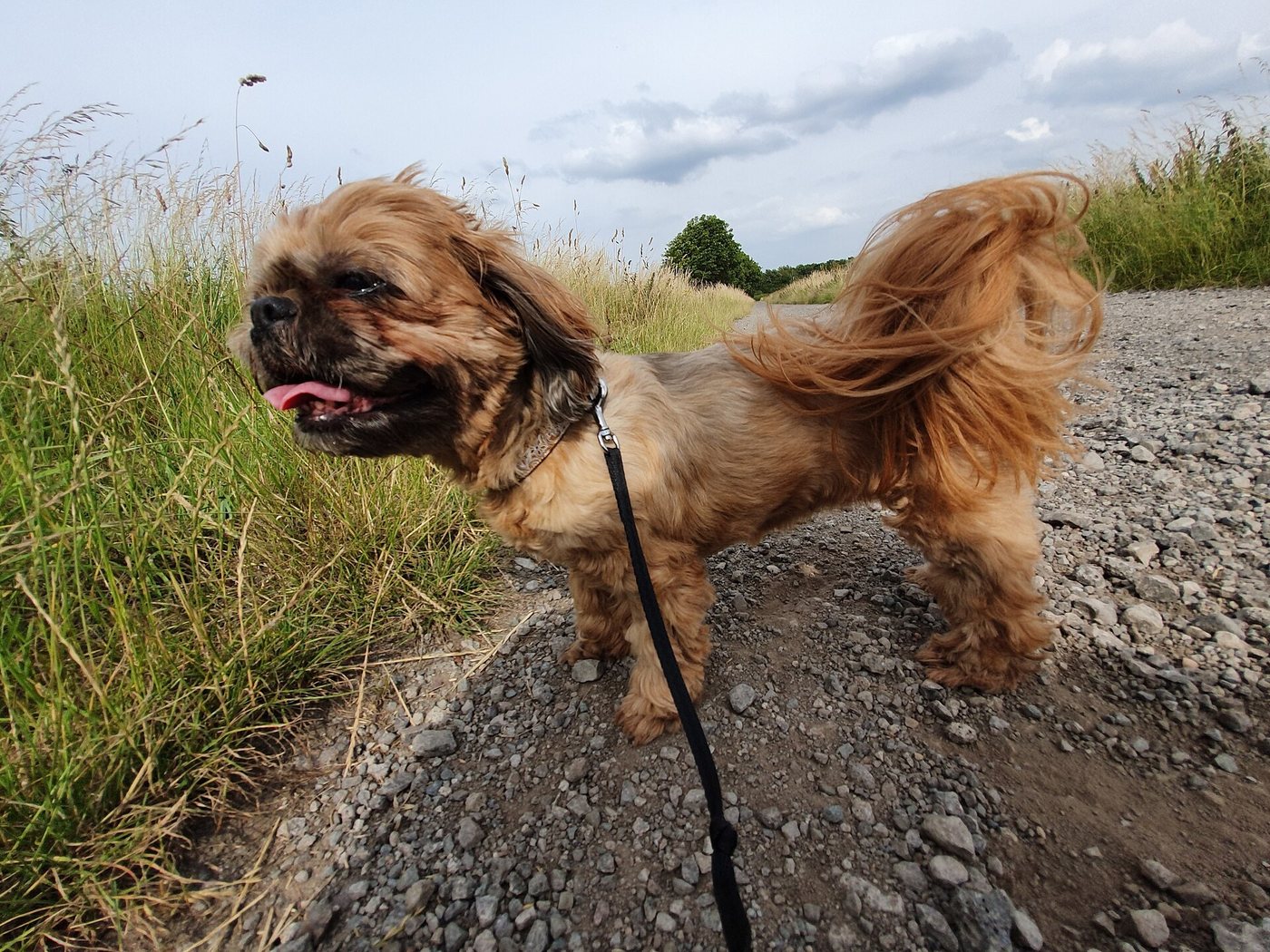
The Shih Tzu — 'lion dog' — was bred for one occupation: cherished companion of Chinese emperors, carried in sleeves, warmed in beds, and painted into court art for centuries. Millennia of selection for companionship produced exactly what you'd expect: a sturdy, sweet-natured little dog whose entire ambition is to be with its people and be admired. It remains one of the most purely companionable breeds in existence.
Temperament & personality
Outgoing, affectionate, and notably un-snappy for a toy breed, the Shih Tzu greets the world expecting to be loved and is usually right. It is more laid-back than many toys, playful in bursts, and happy to supervise household life from a cushion. Training should be gentle and reward-based — the breed's stubbornness is mild but real.
Appearance
A sturdy little dog with a luxurious, flowing double coat that traditionally sweeps the floor in show trim (most pets wear a practical shorter cut), a distinctly undershot jaw, large dark eyes, and a tail carried jauntily over the back. Colours include gold, white, brindle, and combinations — markings often change dramatically from puppyhood to adult.
Care & daily life
The classic full coat needs daily brushing and regular baths; most pets are happier in a puppy cut with weekly brushing. Exercise is modest — about an hour of walks and play a day. Pay attention to dental care and tear staining around the eyes, and protect the short muzzle in hot weather.
Health & lifespan
The Shih Tzu is generally known for the following health watch-points:
- Eye problems lead the list: corneal ulcers and progressive retinal atrophy in some lines
- Brachycephalic traits are mild compared with Bulldogs but breathing and heat need respect
- Renal dysplasia and bladder stones occur in the breed
- Dental crowding and ear infections are common
- Hip dysplasia can occur even at this small size
Living with a Shih Tzu
Shih Tzus fit almost anywhere: apartments, houses, families, seniors, first-time owners. They are social, adaptable little dogs that need people around more than they need space. Their worst enemy is solitude; their best life is as the centre of a household's easy routines.
History
The 'lion dog' was treasured in China's imperial court, most likely developed from Tibetan dogs crossed with the Pekingese, and was a favourite of the Dowager Empress Cixi. After the fall of the imperial court the breed nearly vanished; a handful of dogs reached Britain in the 1930s, and every Shih Tzu alive today descends from just 14 foundation dogs.