Overview
Do not let the satin bow fool you: the Yorkshire Terrier was a working ratter in the mills and mines of industrial Yorkshire before it was a fashion accessory, and the terrier fire never left. In a 6-pound package you get courage, vigilance, and self-confidence entirely out of proportion to size — along with one of the most beautiful coats in the dog world.
Temperament & personality
Yorkies are affectionate with their people, bold with the world, and convinced that supervising the household is their full-time job. They are smart, a bit stubborn, and notorious for training their owners if the owners don't train them first. A well-raised Yorkie is a charming, spirited companion; an indulged one can become a tiny tyrant.
Appearance
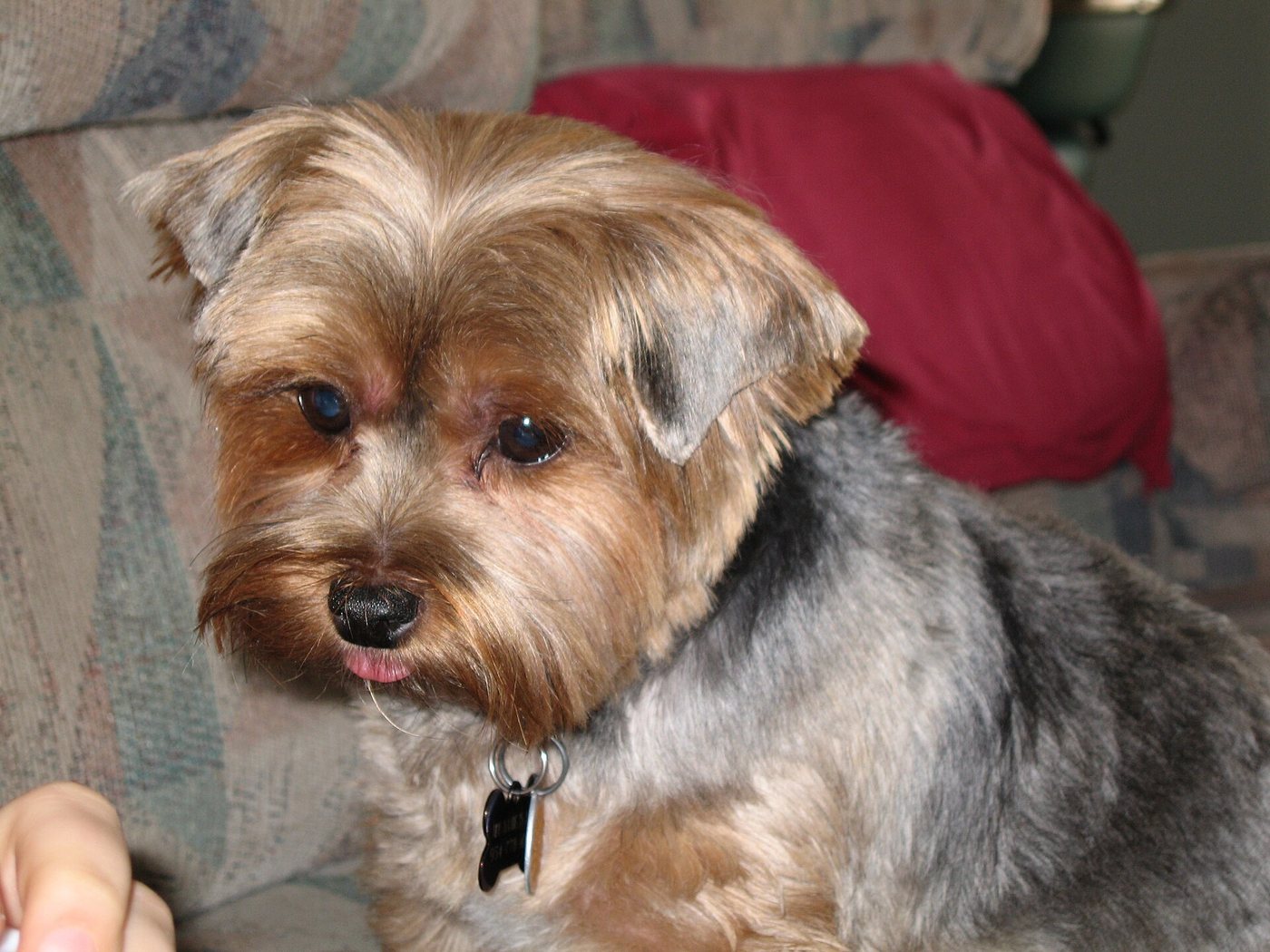
One of the dog world's great glamour coats on a tiny frame: a single, fine, silky coat parted down the back, steel blue and tan in adults, falling straight to the floor in show trim. Underneath is a compact, sturdy little terrier with a level back and bright, confident eyes. Most pets wear the coat clipped short, which changes nothing about the dog inside.
Care & daily life
The full coat needs daily brushing and weekly baths; a short clip reduces that to easy weekly care. Exercise is modest — 30–45 minutes of walks and play, though Yorkies are game for more. Dental care is critical — the breed is highly prone to dental disease — and puppies need regular meals to guard against hypoglycemia.
Health & lifespan
The Yorkshire Terrier is generally known for the following health watch-points:
- Periodontal disease is the breed's most common health problem — tiny jaws crowd teeth badly
- Collapsing trachea causes the characteristic honking cough
- Portosystemic (liver) shunt occurs in puppies at elevated rates
- Luxating patella and Legg-Calvé-Perthes disease occur
- Hypoglycemia is a risk in puppies and very small adults
Living with a Yorkshire Terrier
Yorkies suit apartments, cities, and smaller households — portable companions for people who want a real dog attitude in miniature. Homes with very young children are a poor fit for safety reasons. They thrive on being the centre of a calm household's world.
History
The Yorkie was created by working-class weavers in Yorkshire's mills and mines in the 1800s, who crossed several small terrier types into a ratter small enough to slip into machinery spaces and clothing seams. Within decades the little dog had crossed class lines into Victorian drawing rooms, shrinking in size as its coat grew in glamour.