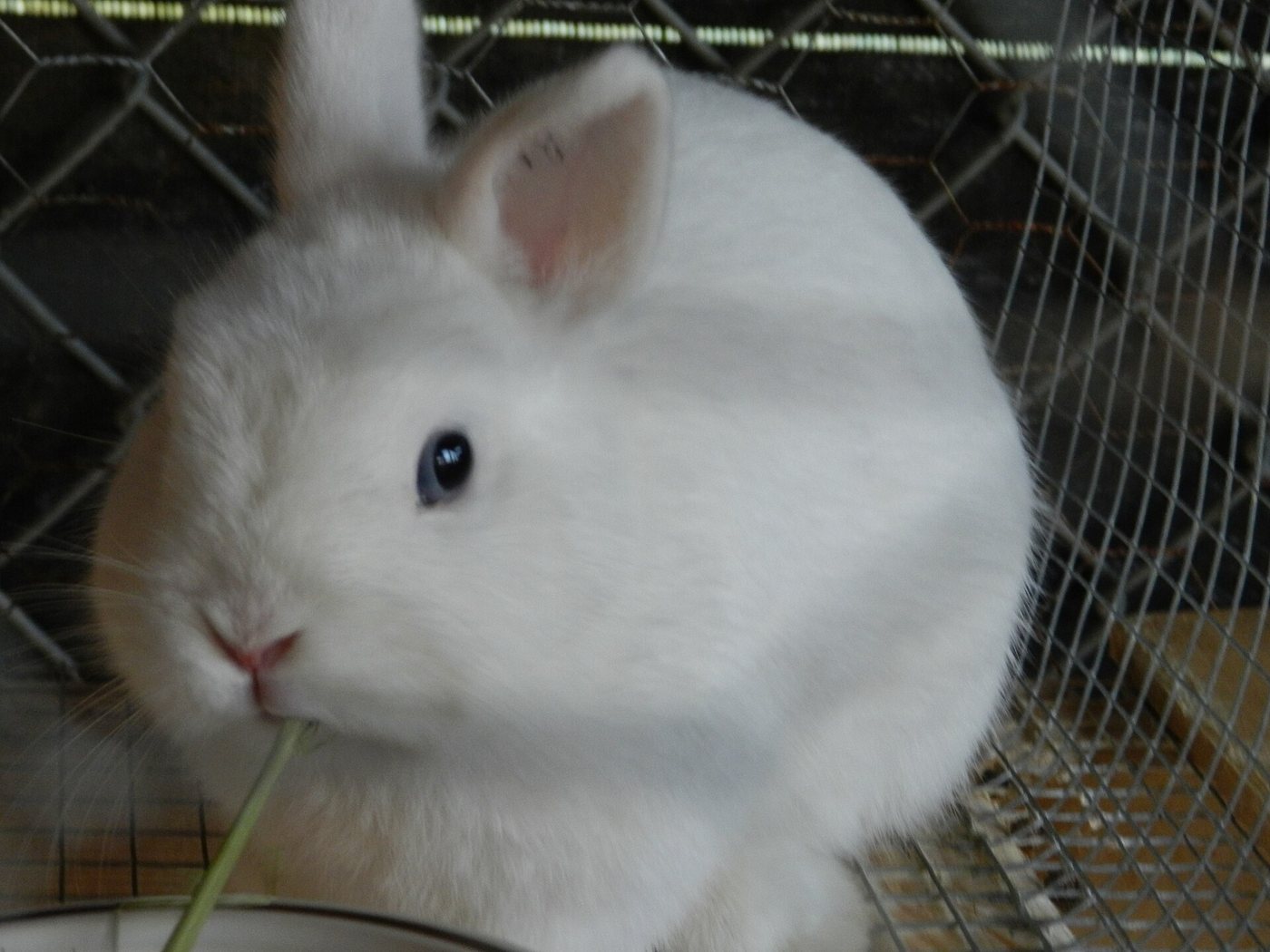
Overview
The Netherland Dwarf is the breed that shrank the rabbit: a 2-pound package of round head, tiny ears, and outsized self-confidence. Developed in the Netherlands and spread worldwide after the Second World War, it became the genetic foundation of almost every modern dwarf breed. Pet dwarfs are lively, intelligent, and charming — and, honestly, often more strong-willed than the cuddly image suggests, which is exactly why their devotees love them.
Temperament & personality
Bold is the honest word. Netherland Dwarfs are curious, energetic, and independent — quick to investigate, quick to object. They are not naturally lap rabbits; they bond through play, food, and respect, and a well-handled, neutered dwarf can be an affectionate, comical companion that follows its person around the room. Under-handled dwarfs can be nippy and territorial, so the breed rewards owners who put in gentle daily time from the start.
Appearance
A rabbit in miniature: a tiny, compact, cobby body, a large round head set high on the shoulders, very short upright ears (an inch or two long), and big, bold eyes that give the breed its alert, doll-like expression. The coat is short and soft, and the breed is shown in more colours than any other — over 20 recognised varieties from otter and Himalayan to chestnut and orange.
Care & daily life
Care mirrors other rabbits, scaled down: unlimited hay (which should be the bulk of the diet), a smaller measured pellet portion than big breeds, daily leafy greens, and fresh water — dwarf rabbits are as prone to dental disease as any, and hay is the defence. Housing should still be roomy (small rabbit ≠ small space): a large pen with daily exercise time. Their tiny size means extra care with handling — never let a dwarf fall or be squeezed — and with doors, feet, and hiding places. Spaying/neutering calms the breed's famous feistiness and protects health.
Health & lifespan
The Netherland Dwarf is generally known for the following health watch-points:
- Dental disease is the breed's headline risk — the shortened dwarf skull crowds teeth; malocclusion of the front teeth is common enough that breeders check kits' bites
- GI stasis — any rabbit that stops eating needs a vet the same day
- Uterine cancer in unspayed does, a leading killer across domestic breeds
- Respiratory infections (Pasteurella and others)
- Fragility injuries — falls and rough handling can break backs and legs in a rabbit this small
- Flystrike risk in warm weather for outdoor-kept rabbits
Living with a Netherland Dwarf
Netherland Dwarfs suit adults, teens, and experienced rabbit families who want a big personality in a tiny animal and can give gentle, floor-level handling. They are excellent indoor rabbits and litter-train well. Expect 7–10+ years of daily care, and expect to earn affection rather than receive it automatically: for the right person, that spirited independence is precisely the appeal.
History
The Netherland Dwarf descends from small white 'Polish' type rabbits crossed with wild rabbits in the Netherlands in the early 20th century, then standardised by Dutch breeders chasing the smallest possible show rabbit. The first imports reached Britain in 1948 — legend says just a handful of rabbits smuggled post-war restarted the fancy — and the breed reached the ARBA standard in 1969. Its genes built nearly every other dwarf breed, including the Holland Lop.